For over three centuries (1526–1857), the Mughal Empire stood as one of the world’s richest and most culturally sophisticated realms. Founded by Babur, a descendant of Timur and Genghis Khan, the Mughals introduced new patterns of governance, art, and religious tolerance that left an indelible mark on the Indian subcontinent. In this post, we’ll trace their rise, examine their administrative and social systems, celebrate their artistic masterpieces, and consider the empire’s enduring influence. Foundations & Early Expansion Babur’s Conquest and Legacy (1526–1530) First Battle of Panipat (1526): Babur’s victory over the Delhi Sultanate’s Ibrahim Lodi introduced gunpowder cavalry tactics, establishing Mughal foothold in northern India. Consolidation: Though Babur died in 1530, his memoirs ( Baburnama ) reveal his keen eye for India’s wealth and diversity—a vision his successors realized. Akbar the Great: Architect of Empire (1556–1605) Territorial Growth: Under...
For over three centuries (1526–1857), the Mughal Empire stood as one of the world’s richest and most culturally sophisticated realms. Founded by Babur, a descendant of Timur and Genghis Khan, the Mughals introduced new patterns of governance, art, and religious tolerance that left an indelible mark on the Indian subcontinent. In this post, we’ll trace their rise, examine their administrative and social systems, celebrate their artistic masterpieces, and consider the empire’s enduring influence.
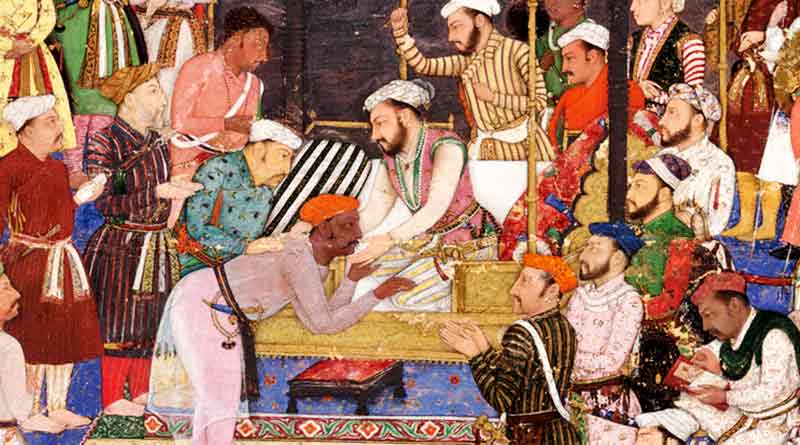
Foundations & Early Expansion
Babur’s Conquest and Legacy (1526–1530)
-
First Battle of Panipat (1526): Babur’s victory over the Delhi Sultanate’s Ibrahim Lodi introduced gunpowder cavalry tactics, establishing Mughal foothold in northern India.
-
Consolidation: Though Babur died in 1530, his memoirs (Baburnama) reveal his keen eye for India’s wealth and diversity—a vision his successors realized.
Akbar the Great: Architect of Empire (1556–1605)
-
Territorial Growth: Under Akbar, the empire doubled in size—subduing Rajput chiefs through alliances and campaigns in Gujarat, Bengal, and the Deccan.
-
Religious Policy: Through Sulh‑i Kul (“peace to all”), Akbar invited Hindu, Jain, Christian, and Zoroastrian scholars to debate at his court, fostering an atmosphere of tolerance and blending Persian and Indian traditions.
Jahangir & Shah Jahan: Peaks of Prosperity
-
Jahangir (1605–1627): Patron of painting and gardens, his memoirs reflect Mughal India’s cultural flowering and the Stucco palaces of Agra and Kashmir.
-
Shah Jahan (1628–1658): Oversaw the empire’s apogee—constructing the Taj Mahal and the Jama Masjid in Delhi, hypnotic symbols of Mughal artistry and imperial ambition.
Comments
Post a Comment